Wildlife of Etosha National Park

Discover the Magnificent Animals of the Savannah

From the iconic Big Four to specialized desert-adapted species, explore the unique fauna thriving within the salt pan ecosystems.

Quick Access: Animals Checklist

Jump directly to your favorite species or explore the diverse wildlife families below.

Carnivores & Scavengers

Large Mammals & Primates

Antelopes & Herbivores

Birds of Prey

Carnivore / Opportunistic Forager

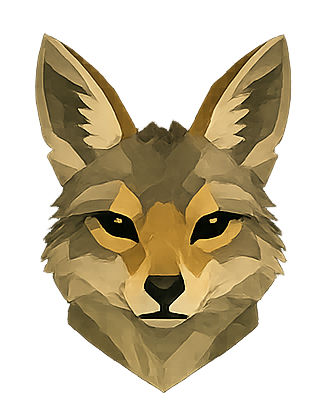
Black-backed Jackal

Scientific Name: Canis mesomelas Conservation Status: Least Concern Best Hotspots: Parkwide Common

One of the most frequently seen small carnivores in Etosha. They are daring scavengers, often trailing lions or leopards, and are highly adapted to the dry, open savannah heat.

Carnivore / Speed Specialist

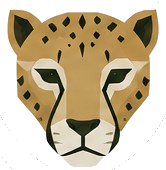
Cheetah

Scientific Name: Acinonyx jubatus Conservation Status: Vulnerable Best Hotspots: Eastern Plains / Mushara

The fastest land mammal thrives on the wide-open grass savannahs of the east. They utilize the vast flat plains around Namutoni and Mushara to spot and sprint down fleet-footed springboks.

Carnivore / Fearless Forager

Honey Badger

Scientific Name: Mellivora capensis Conservation Status: Least Concern Best Hotspots: Halali Campsite (Night)

Renowned for its absolute fearlessness and thick, loose skin. Primarily nocturnal, these intelligent foragers are legendary for raiding camp bins or digging relentlessly for rodents and reptiles.

Carnivore / Solitary Hunter

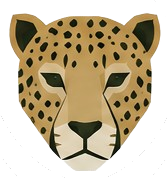
Leopard

Scientific Name: Panthera pardus Conservation Status: Vulnerable Best Hotspots: Halali & Kameldoring

Highly secretive and perfectly camouflaged. They prefer the thicker woodlands and dense thickets, often spotted resting in the branches of large Camelthorn or Mopane trees near the limestone edges.

Carnivore / Apex Predator

African Lion

Scientific Name: Panthera leo Conservation Status: Vulnerable Best Hotspots: Okondeka & Nebrowni

The top predator of Etosha. Famous for hunting in coordinates around major open springs, the resident prides can frequently be found resting in the shade or looking out over the open salt pan boundaries.

Carnivore / Efficient Hunter & Scavenger

Spotted Hyaena

Scientific Name: Crocuta crocuta Conservation Status: Least Concern Best Hotspots: Okaukuejo & Homob

Powerful and highly social predators. Often heard calling at night near the camp boundaries, they possess exceptionally strong jaws capable of crushing large bones from carcass remains.

Herbivore / Megaherbivore

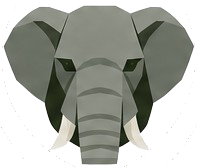
African Bush Elephant

Scientific Name: Loxodonta africana Conservation Status: Endangered Best Hotspots: Olifantsrus & Olifantsbad

Etosha's giants are legendary for their massive size. Because of the mineral-rich soil, they often look pure white after mud-bathing at Olifantsrus or the western pumped waterholes.

Herbivore / High Browser

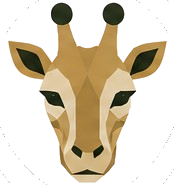
Angolan Giraffe

Scientific Name: Giraffa giraffa angolensis Conservation Status: Least Concern Best Hotspots: Helio & Klein Namutoni

With their beautiful blotched patterns, these towering browsers are commonly seen sifting through thorny acacia crowns or splaying their front legs wide to take awkward, vulnerable drinks at natural springs.

Herbivore / Critically Endangered

Black Rhinoceros

Scientific Name: Diceros bicornis Conservation Status: Critically Endangered Best Hotspots: Okaukuejo (Night)

Etosha is one of the most vital strongholds for the prehistoric black rhino. Best observed under the floodlights at the Okaukuejo and Halali camp waterholes during quiet desert nights.

Omnivore / Social Primate

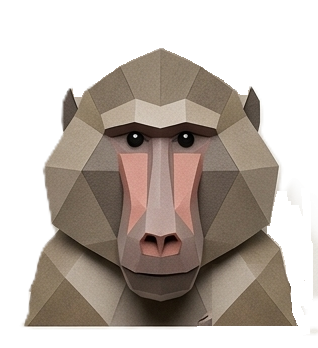
Chacma Baboon

Scientific Name: Papio ursinus Conservation Status: Least Concern Best Hotspots: Namutoni & Halali Trees

Large, highly vocal primates living in organized troops. They utilize tall mopane trees or old fort structures for safety at night and spend their days foraging for seeds, insects, and roots near steady water supplies.

Omnivore / Savannah Forager

Common Warthog

Scientific Name: Phacochoerus africanus Conservation Status: Least Concern Best Hotspots: Kalkheuwel & Chudop

Strictly diurnal and highly charismatic. Often encountered kneeling on their front joints to feed on short sweet grass roots, or running in family groups with their iconic tails pointing straight up like radio antennas.

Herbivore / Plains Game

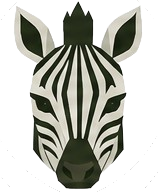
Zebra

Scientific Name: Equus quagga / zebra Conservation Status: Near Threatened Best Hotspots: Parkwide / West (Hartmann)

While thousands of Burchell's Plains Zebras form endless herds along the pan, the rare and agile Hartmann's Mountain Zebra can exclusively be found navigating the rocky ridges around Dolomietpunt.

Herbivore / Endemic Subspecies

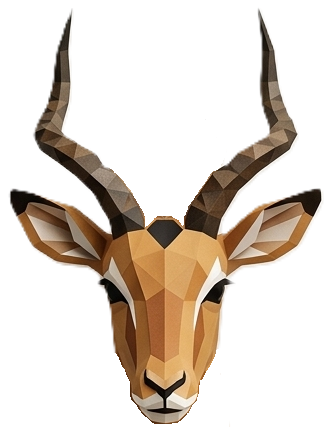
Black-faced Impala

Scientific Name: Aepyceros melampus petersi Conservation Status: Vulnerable Best Hotspots: Namutoni & Klein Namutoni

A highly localized subspecies endemic to north-western Namibia and Angola. Distinguished from common impalas by the dark, distinct facial streak running up their noses.

Herbivore / Migratory Grazer

Blue Wildebeest

Scientific Name: Connochaetes taurinus Conservation Status: Least Concern Best Hotspots: Andoni Plains & Pan Edges

An unmistakable open plains grazer. They form large, noisy herds alongside zebras and trek across the vast grasslands following fresh mineral pastures triggered by local rainfall.

Herbivore / Shrub Dweller

Common Duiker

Scientific Name: Sylvicapra grimmia Conservation Status: Least Concern Best Hotspots: Thick Bush Fringes

Named after the Afrikaans word for "diver" due to their habit of diving headfirst into dense bushes to vanish from sight. They have a highly varied diet including leaves, fruits, and occasionally insects.

Herbivore / Giant Antelope

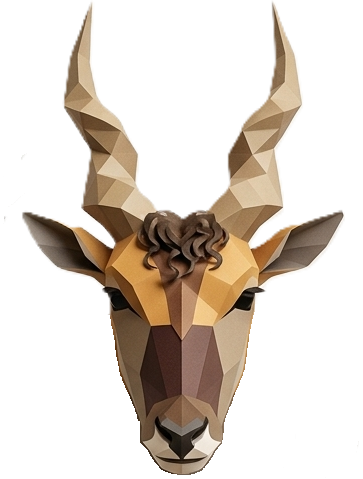
Common Eland

Scientific Name: Taurotragus oryx Conservation Status: Least Concern Best Hotspots: Eastern Bushveld

The largest antelope in Africa. Despite their immense ox-like mass, elands are surprisingly athletic browsers capable of jumping over high obstacles from a standing start.

Herbivore / Miniature Browser

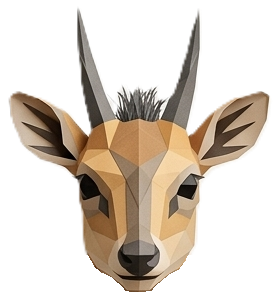
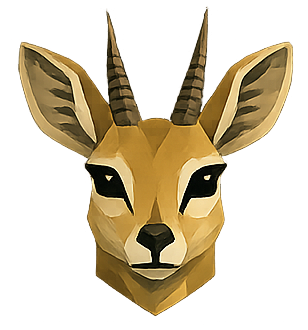
Damara Dik-Dik

Scientific Name: Madoqua kirkii damarensis Conservation Status: Least Concern Best Hotspots: Mokuti Grounds & Klein Namutoni

The smallest antelope in Etosha. Living in permanent monogamous pairs, they are easily recognized by their tiny size, massive dark eyes, and a highly flexible tapir-like snout used for heat regulation.

Herbivore / Desert Specialist

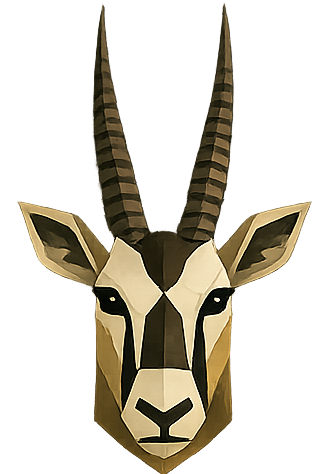
Gemsbok (Oryx)

Scientific Name: Oryx gazella Conservation Status: Least Concern Best Hotspots: Zebrapomp & Open Plains

The iconic true desert antelope of Namibia. Striking black-and-white face markings and long, rapier-like horns accompany an incredible biology that allows them to survive without water for weeks.

Herbivore / Woodland Browser

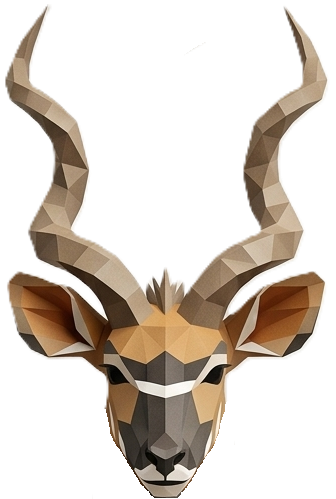
Greater Kudu

Scientific Name: Tragelaphus strepsiceros Conservation Status: Least Concern Best Hotspots: Helio & Mushara Woodlands

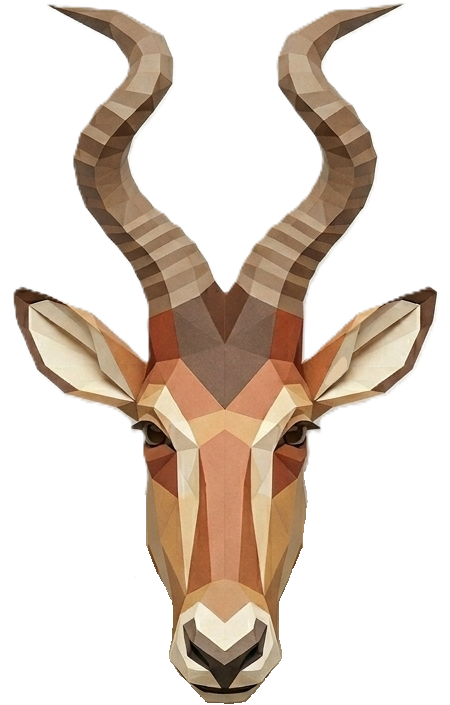
Elegant and shy, the males possess massive, corkscrew horns. They are masterful jumpers and depend deeply on denser mopane thickets and tree groves for cover and browsing material.

Herbivore / Swift Grazer

Red Hartebeest

Scientific Name: Alcelaphus buselaphus caama Conservation Status: Least Concern Best Hotspots: Central Grasslands

Characterized by a long, narrow face and complex, angular horns. They are incredibly fast runners, built for endurance across dry savannah edges where they graze primarily on coarse grasses.

Herbivore / Abundant Plains Game

Springbok

Scientific Name: Antidorcas marsupialis Conservation Status: Least Concern Best Hotspots: Gonob & Pan Fringes

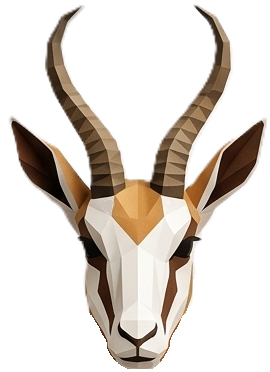
The most numerous antelope in the park. Famous for "pronking"—leaping high into the air with arched backs to display a white crest of hair to predators and rivals alike.

Herbivore / Solitary Dwarf Antelope

Steenbok

Scientific Name: Raphicerus campestris Conservation Status: Least Concern Best Hotspots: Kameldoring Clearings

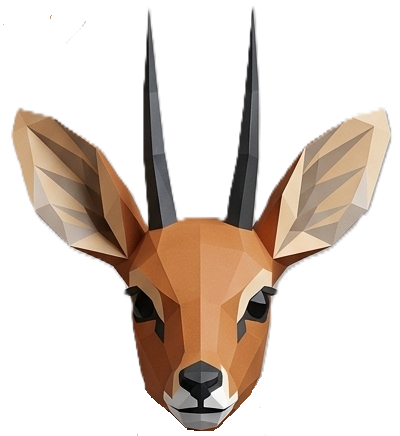
Small, solitary, and exceptionally delicate. They rely on hiding flat in tall grass when threatened, escaping with sudden, erratic zigzag sprints only at the very last second.

Avian Predator / Largest African Eagle

Martial Eagle

Scientific Name: Polemaetus bellicosus Conservation Status: Endangered Best Hotspots: Tree Tops Parkwide

An apex avian predator possessing an immense wingspan. They hunt from high soaring altitudes, dropping at high speeds to prey on large monitor lizards, mongooses, and small antelopes like steenboks.

Avian Predator / Terrestrial Raptor

Secretarybird

Scientific Name: Sagittarius serpentarius Conservation Status: Endangered Best Hotspots: Open Pan Fringes

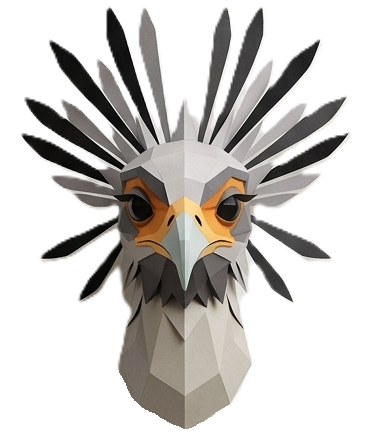
A bizarre, highly elegant bird of prey with long crane-like legs and quill-like head feathers. They hunt exclusively on foot, stomping through low grasses to flush out and stomp lethal snakes with immense force.

Avian Scavenger / Nature's Clean-up Crew

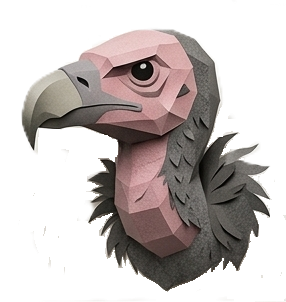
White-backed Vulture

Scientific Name: Gyps africanus Conservation Status: Critically Endangered Best Hotspots: Surrounding Big Kills

Vital ecological cleaners of the savannah ecosystem. Dozens can gather within minutes around a lion kill, swirling down from high thermals to pick carcasses clean and prevent the spread of diseases.


Understanding Etosha's Unique Ecosystem

The Salt Pan Influence & Desert Adaptation

Etosha National Park is defined by its massive, 4,800-square-kilometer salt pan, a remnant of an ancient lake bed visible even from space. This stark landscape creates a highly specialized environment where wildlife must adapt to extreme conditions. The mineral-rich soil influences vegetation, giving rise to sweet-grass plains and dense mopane woodlands that provide vital nutrients for megaherbivores like the African Bush Elephant and the towering Angolan Giraffe. Species such as the Gemsbok (Oryx) have developed remarkable physiological traits, allowing them to raise their core body temperature and survive for weeks without drinking surface water by extracting moisture from desert shrubs.

Seasonal Dynamics: Dry Season vs. Rainy Season

Wildlife viewing in Etosha is strictly dictated by the seasons. During the arid winter months (May to October), ephemeral water sources evaporate completely, forcing thousands of animals to migrate toward the permanent natural springs and solar-powered boreholes lining the southern edge of the pan. This seasonal concentration offers arguably the best game viewing in Africa, where predators like lions and leopards ambush prey directly at the water's edge. Conversely, the rainy summer season (November to April) triggers a widespread dispersal. Animals move deep into the northern and western plains to feed on fresh pastures and give birth to their young, transforming the park into a lush, green paradise ideal for birdwatching.

Conservation and Endemic Species

As a fully fenced sanctuary, Etosha plays a critical role in global conservation efforts. It serves as one of the last secure strongholds for the critically endangered Black Rhinoceros, protecting them within intensively monitored zones. The park is also home to unique, localized subspecies such as the Black-faced Impala and the miniature Damara Dik-Dik, which thrive in the dry limestone thickets. Understanding these migratory patterns, ecological niches, and conservation statuses is essential for any safari planner aiming to responsibly experience Namibia's premier wildlife destination.